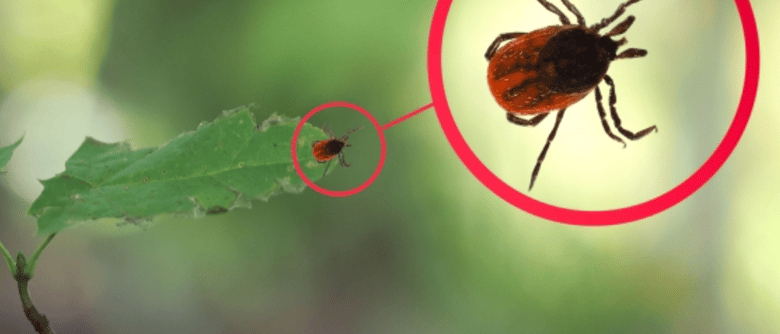
Safety Moment: Tick Safety 101
As summer approaches, many of us are looking forward to camping, hiking, gardening, and spending more time outdoors. Warmer weather brings plenty of fun, but it also brings a common outdoor risk: tick bites.
Ticks can carry bacteria, viruses, and parasites that may cause serious illnesses, including Lyme disease and Rocky Mountain spotted fever. Use these simple tips to help protect yourself, your family, and your pets while enjoying the outdoors.
Know Before You Go
Take extra precautions during the warmer months, especially April through September, when ticks are most active.
Ticks are commonly found in:
Grassy areas
Bushy or wooded areas
Tall grass
Leaf litter
Areas where animals are present
Yards, neighborhoods, parks, camps, and trails
When spending time outside:
Avoid walking off paths when possible.
Stay near the center of trails.
Wear light-colored clothing so ticks are easier to spot.
Wear long pants, long-sleeved shirts, and socks when weather allows.
Use an EPA-registered insect repellent containing DEET, picaridin, IR3535, oil of lemon eucalyptus, or 2-undecanone.
After Being Outside
Check Your Clothing
Ticks can be carried into your home on clothing. After returning indoors:
Check your clothes carefully.
Tumble dry clothes on high heat for 10 minutes to kill ticks on dry clothing.
If washing clothes, use hot water when possible. Cold water may not kill ticks.
Shower Soon After Coming Indoors
Showering within two hours of being outside may help reduce your risk of tick-borne illness. It can also help rinse off ticks that have not yet attached and gives you a good opportunity to do a tick check.
Do a Full Body Tick Check
After being in areas where ticks may live, carefully check your body. Use a hand-held or full-length mirror if needed.
Be sure to check:
Under your arms
In and behind your ears
Inside your belly button
Behind your knees
Hair, scalp, and facial hair
Between your legs
Around your waist and midsection
Feet and toes, especially if you were not wearing covered shoes and socks
Also check:
Pets that were outside with you
Backpacks
Hats
Blankets
Camping gear
Outdoor clothing
What To Do If You Find a Tick
If you find a tick attached to your body:
Remove it as soon as possible.
Use tweezers to grab the tick as close to the skin as you can.Pull straight out.
Do not twist, jerk, or pull at an angle. This could cause part of the tick to break off in the skin.Dispose of the tick safely.
Place it in alcohol, put it in a sealed bag, wrap it tightly in tape, or flush it down the toilet.
Do not crush a tick with your fingers.Clean the bite area.
Wash the area and your hands with rubbing alcohol, iodine scrub, or soap and water.Avoid folklore remedies.
Do not use nail polish, petroleum jelly, or heat to try to make the tick detach.Save the tick if needed.
If you believe it may be a deer tick, consider keeping it in a sealed bag or container for testing.Watch for symptoms.
Contact your doctor if you develop a rash, fever, or other symptoms within several weeks of removing a tick. Be sure to tell your doctor when the bite happened, where you were bitten, and where you may have picked up the tick.
Stay Aware and Enjoy the Outdoors
No matter what outdoor activities you enjoy this summer, take time to be aware of ticks and other insects in the area. A few simple prevention steps can help keep your outdoor adventures safer and more enjoyable.